
About My Research
AI Literacy and Digital Transformation in Language Teaching
My research explores how educators can develop critical AI competency and effectively integrate digital tools into language instruction. I investigate the intersection of artificial intelligence, digital pedagogy, and teacher professional development—examining how technology reshapes classroom practice, student engagement, and intercultural communication. Through international telecollaboration projects and empirical studies published in SSCI and ESCI journals, I work to bridge research and practice in English language teacher education.
Research Focus
Core Research Areas
AI Literacy in Language Education
Investigating how language educators develop critical competency in understanding and integrating AI tools responsibly and effectively into teaching practice.
Digital Pedagogy in ELT
Exploring pedagogical approaches that leverage digital tools to enhance student engagement, deepen language learning, and support authentic communication practices.
Telecollaboration & Virtual Exchange
Studying how international online partnerships develop intercultural competence, multilingual negotiation, and critical cultural awareness in teacher and student education.
Teacher Professional Development
Designing and evaluating sustainable models for teacher education that build digital competency, pedagogical innovation, and reflective practice in language instruction.
CALL & Language Learning Technology
Investigating computer-assisted language learning systems, online interaction, and technology-enhanced assessment in second language acquisition and instruction.
Explore Current Projects
View my research portfolio, international collaborations, and recent publications.
Publications
40+ peer-reviewed articles in SSCI, ESCI, and Scopus-indexed journals on language teaching, AI literacy, and digital pedagogy.
View PublicationsResearch Projects
Active research on AI-enhanced learning, telecollaboration in teacher education, and international virtual exchange initiatives.
Explore ResearchTESOL Connections
Regular columns connecting research to practice, discussing innovation in language teaching and professional development.
Read ArticlesAcademic Identity
About My Work
Research & Leadership
I am a Professor of Foreign Language Education at Bolu Abant İzzet Baysal University and Chairperson of the Department of Foreign Language Education. My research program examines how educators can develop critical competencies in artificial intelligence, digital pedagogy, and intercultural communication—particularly through telecollaboration and virtual exchange contexts. I investigate the professional development, pedagogical decision-making, and digital literacy needed for language teachers to thrive in technology-rich environments.
Much of my work bridges research and practice in English language teacher education. I study how pre-service and in-service teachers develop technology competence, navigate intercultural dynamics in online learning, and build pedagogically sound, culturally responsive practices. This includes investigations of computer-assisted language learning (CALL) systems, technology-enhanced assessment, and the design of international collaboration projects that develop both language proficiency and intercultural competence.
Through international research collaborations, professional leadership, and scholarly publications, I contribute to ongoing conversations about how language education evolves amid digitalization and emerging technologies—and how teacher education must adapt to prepare educators for these transformations.
Core Research Areas
My research integrates the following complementary areas within language education and teacher development:
Academic Journey
Professor
Department of Foreign Language Education, 2026
Associate Professor
Department of Foreign Language Education, 2020
Assistant Professor
Department of Foreign Language Education, 2013
PhD in English Language Teaching
Middle East Technical University, 2012
MA in English Language Teaching
Bolu Abant İzzet Baysal University, 2006
BA in English Language and Literature
Hacettepe University, 2002
Scholarly Perspective
Language education faces unprecedented change driven by digital transformation and artificial intelligence. I believe teacher education must be central to this transition. Rather than viewing technology as a replacement for pedagogy, I advocate for helping educators develop critical digital competence—the knowledge, judgment, and dispositions to evaluate, adapt, and responsibly integrate emerging technologies into their practice. This requires moving beyond technical skills to develop understanding of how technology shapes learning, intercultural interaction, and professional identity. My work aims to advance this vision through empirical research, international collaboration, and scholarly dialogue with the broader language education community.
Scholarly Contributions
Publication Record
40+ peer-reviewed articles in SSCI, ESCI, and Scopus-indexed journals. Areas of focus include telecollaboration, teacher identity, intercultural communication, and CALL systems.
Research Collaborations
Active international partnerships with scholars and institutions across Turkey, the United States, and Europe. Collaborative projects span virtual exchange design, teacher professional development, and empirical studies of technology integration.
Professional Leadership
President of INGED (English Language Teachers Association of Turkey). Regular contributor to TESOL Connections journal. Organizer and participant in international ELT conferences and professional development initiatives.
Leadership Roles
- • Chairperson, Department of Foreign Language Education
- • President, INGED (English Language Teachers Association of Turkey)
- • Organizer, International ELT Conferences & Initiatives
- • Contributor, TESOL Connections Journal
- • Erasmus & International Relations Coordinator
Institutional Affiliation
Professor
Department of Foreign Language Education
Faculty of Education
Bolu Abant İzzet Baysal University, Turkey
Research Agenda
Research in Language Education
My research examines how language teachers and learners develop digital competence, intercultural awareness, and critical pedagogical judgment in technology-rich environments. I investigate the intersection of artificial intelligence literacy, digital pedagogy, telecollaboration, and teacher professional development—drawing on mixed-methods approaches including qualitative analysis of online discourse, ethnographic studies of virtual exchange, and empirical investigations of teacher decision-making around technology. My work is grounded in the belief that technology integration in language education must center human agency, cultural responsiveness, and thoughtful pedagogical practice.
Telecollaboration & Virtual Exchange
How do international online partnerships support language development, intercultural competence, and teacher professional growth? This research examines the affordances and challenges of telecollaboration in language teacher education, including the negotiation of meaning across languages, the construction of cultural identity in virtual spaces, and the development of critical intercultural awareness among pre-service and in-service teachers.
Scholarly Focus: Translanguaging practices, identity formation, agency, and critical discourse analysis of online interaction.
AI Literacy & Critical Digital Competence
What does it mean for language educators to develop critical literacy in artificial intelligence? This research explores how teachers understand AI, assess its pedagogical value and limitations, and make informed decisions about technology integration. Rather than adopting AI tools uncritically, the focus is on how educators can develop the judgment and dispositions to evaluate, adapt, and responsibly implement emerging technologies in language teaching.
Scholarly Focus: Teacher knowledge, decision-making, ethical considerations, and professional development in AI-enhanced contexts.
Teacher Identity & Agency in Digital Contexts
How do teachers negotiate their professional identity and maintain agency when teaching online and with technology? This research examines how pre-service and in-service language teachers construct their identities through virtual exchange experiences, navigate tensions between technological affordances and pedagogical values, and exercise professional judgment in designing meaningful learning contexts. The focus is on how teachers become agentic creators rather than passive consumers of edtech.
Scholarly Focus: Identity construction, teacher agency, ideological tensions, and professional development through international collaboration.
Digital Pedagogy in Language Teacher Education
How can teacher education programs prepare educators for digital transformation while maintaining pedagogical excellence? This research examines effective practices in pre-service and in-service teacher education, explores how digital tools reshape instructional design and assessment, and investigates the conditions that support sustainable professional growth. The emphasis is on developing teachers who are not only digitally literate but also reflective practitioners capable of critical evaluation.
Scholarly Focus: Teacher education design, digital literacy, reflective practice, and instructional innovation in ELT.
CALL & Language Learning Technology
How do computer-assisted language learning systems support language acquisition and intercultural communication? This research investigates the pedagogical design of CALL environments, examines patterns of interaction and negotiation in technology-mediated contexts, and explores how language learners develop both linguistic and intercultural competence through digital platforms. The focus includes both synchronous (virtual classrooms) and asynchronous (online platforms) contexts.
Scholarly Focus: Online interaction patterns, task design, language negotiation, and intercultural learning in CALL.
Intercultural Communication in Online Learning
How do language learners and teachers develop intercultural communicative competence through online interaction? This research examines how cultural identity is performed and negotiated in digital spaces, analyzes discourse patterns that reveal ideological perspectives, and investigates how virtual learning environments can support (or challenge) intercultural understanding. Special attention is given to power dynamics, equity, and authentic representation in virtual exchange.
Scholarly Focus: Discourse analysis, cultural identity, ideological positioning, and critical intercultural literacy.
Current Research Directions
My current work brings together these research streams in several integrated directions:
Telecollaboration in Teacher Education
Ongoing international partnerships examining how virtual exchange shapes teacher candidate identity, builds intercultural competence, and develops critical consciousness about diversity and equity in language education.
Teacher Agency and Digital Transformation
Research on how language teachers maintain pedagogical agency and make critical decisions about technology adoption, examining tensions between institutional pressures and personal pedagogical values.
Discourse Analysis of Virtual Interaction
Qualitative and critical discourse analytic studies examining how language learners and teachers construct meaning, negotiate identity, and express ideological positions in online communication contexts.
Digital Literacy in Language Education
Investigations of how pre-service teachers develop digital literacy practices, assess learning management systems critically, and design technology-enhanced assessment approaches grounded in pedagogical principles.
Scholarly Work
Publications
My publications examine the intersection of language teacher education, digital transformation, and intercultural learning. Through empirical studies in SSCI, ESCI, and Scopus-indexed journals, alongside edited books and international book chapters, I investigate how educators develop critical digital competence, how telecollaboration shapes teacher identity and intercultural awareness, and how language learning technologies can support authentic communication. My work bridges research and practice in English language teaching through rigorous scholarship and collaborative inquiry across international contexts.
40+
Peer-reviewed publications
SSCI/ESCI
Top-tier indexed journals
2
Edited books
Global
Turkey, USA, Europe
Peer-Reviewed Journal Articles (SSCI-Indexed)
Top-tier international journals in applied linguistics, education research, and language teacher education
Turnbull, J., Yazan, B., Uzum, B., & Akayoglu, S. (2025). "That was crazy": Confronting monolingual ideologies and courting translanguaging in international telecollaboration. Language Teaching Research.
Uştuk, Ö., Yazan, B., Uzum, B., Akayoglu, S., & Keleş, U. (2025). The Nexus of Identity, Emotions, and Agency in Virtual Exchanges Between Pre-Service Teachers From Türkiye and the United States. International Journal of Applied Linguistics, 35(4), 1625–1638.
Uzum, M., Lindahl, K., Uzum, B., Yazan, B., & Akayoglu, S. (2025). Epistemic modality and evidentiality in virtual intercultural exchanges between Turkish and Texan users of English. World Englishes, 44, 606–623.
Keleş, U., Yazan, B., Üzüm, B., & Akayoğlu, S. (2024). Language teacher candidates' representation of Türkiye's East and West: A critical discourse analysis of online discussions in a telecollaboration. Linguistics and Education, 81, 101305.
Keleş, U., Yazan, B., Üzüm, B., & Akayoğlu, S. (2024). Teacher candidates' dichotomous construction of educational and gender inequalities in Türkiye during a telecollaboration project. Teaching and Teacher Education, 142, 104529.
Yazan, B., Turnbull, J., Uzum, B., & Akayoglu, S. (2023). Neo-Nationalist Discourses and Teacher Identity Tensions in a Telecollaboration for Teachers of Minoritized Language Learners in Türkiye. TESOL Quarterly.
Turnbull, J., Yazan, B., Akayoglu, S., Uzum, B., & Mary, L. (2022). Teacher candidates' ideological tensions and covert metaphors about Syrian refugees in Turkey: Critical discourse analysis of telecollaboration. Linguistics and Education, 69.
Uzum, B., Yazan, B., Akayoglu, S., & Mary, L. (2022). Pre-service teachers' translingual negotiation strategies at work: telecollaboration between France, Turkey, and the USA. Language and Intercultural Communication, 22(1), 50-67.
Başer, D., Akkuş, R., Akayoglu, S., Top, E., & Gürer, M. D. (2021). Training in-service teachers through individualized technology-related mentorship. Educational Technology Research and Development, 69(6).
Top, E., Başer, D., Akkuş, R., Akayoğlu, S., & Gürer, M.D. (2021). Secondary school teachers' preferences in the process of individual technology mentoring. Computers & Education, 160(1).
Uzum, B., Akayoglu, S., & Yazan, B. (2020). Using telecollaboration to promote intercultural competence in teacher training classrooms in Turkey and the USA. ReCALL, 32(2).
Akayoglu, S., Satar, H. M., Dikilitas, K., Cirit, N. C., & Korkmazgil, S. (2020). Digital literacy practices of Turkish pre-service EFL teachers. Australasian Journal of Educational Technology, 36(1), 85-97.
Bahcivan, E., Yavuzalp, N., Gürer, M.D., & Akayoglu, S. (2019). Investigating the relations among pre-service teachers' teaching/learning beliefs and educational technology integration competencies: A structural equation modeling study. Journal of Science Education and Technology, 28(5), 579-588.
Akayoğlu, S., Altun, A., & Stevens, V. (2009). Social presence in synchronous text-based computer-mediated communication. Eurasian Journal of Educational Research, 34, 1-16.
Peer-Reviewed Journal Articles (ESCI-Indexed)
Emerging Sources Citation Index journals in language learning, education technology, and teacher education
Uzum, B., Yazan, B., Mary, L., & Akayoglu, S. (2023). Teacher agency for social justice in telecollaboration: Locating agentive positioning in virtual language interaction. Language Learning Journal, 51(6), 766-782.
Top, E., Gürer, M. D., Başer, D., Akayoglu, S., & Akkus, R. (2021). One-On-One Technology Mentoring for In-Service Teachers: The Experiences of Future ICT Coordinators. International Journal of Technology in Education, 4(4), 847-869.
Akayoglu, S. (2021). Teaching CALL to pre-service teachers of English in a flipped classroom. Technology, Knowledge and Learning, 26, 155-171.
Üzüm, B., Yazan, B., Avineri, N., & Akayoğlu, S. (2019). Preservice teachers' discursive constructions of cultural practices in a multicultural telecollaboration. International Journal of Multicultural Education, 21(1), 82-104.
Akayoğlu, S. (2016). Review of the Book Researching Language and Social Media: A Student Guide by Ruth Page, David Barton, Johann W. Unger, Michele Zappavigna. CALICO Journal, 33(2), 278–281.
Peer-Reviewed Journal Articles (Scopus-Indexed)
Scopus-indexed journals in language education technology and applied linguistics
Akayoglu, S. (2019). Theoretical frameworks used in CALL studies: A systematic review. The Journal of English Teaching with Technology, 19(4), 104-118.
Edited Volumes
Co-edited scholarly collections in language teacher education and digital literacy
Akayoğlu, S., Üzüm, B., & Yazan, B. (Eds.). (2026). Telecollaboration in Language Teacher Education: Professional Learning, Identities and Ideologies. Bloomsbury Academic. https://doi.org/10.5040/9781350454262
Yangın-Ekşi, G., Akayoglu, S., & Anyango, L. (Eds.). (2022). New Directions in Technology for Writing Instruction. Springer.
International Book Chapters
Contributions to peer-reviewed edited volumes published by Routledge, Bloomsbury, Springer, and other leading international publishers
Akayoğlu, S., Üzüm, B., & Yazan, B. (2026). Looking back and moving forward: Reimagining language teacher education through virtual exchange. In S. Akayoğlu, B. Üzüm, & B. Yazan (Eds.), Telecollaboration in Language Teacher Education: Professional Learning, Identities and Ideologies. Bloomsbury Academic. https://doi.org/10.5040/9781350454262
Akayoğlu, S., Üzüm, B., & Yazan, B. (2026). Challenges and limitations of telecollaboration studies in teacher education. In S. Akayoğlu, B. Üzüm, & B. Yazan (Eds.), Telecollaboration in Language Teacher Education: Professional Learning, Identities and Ideologies. Bloomsbury Academic. https://doi.org/10.5040/9781350454262
Akayoğlu, S., Üzüm, B., & Yazan, B. (2026). Introduction. In S. Akayoğlu, B. Üzüm, & B. Yazan (Eds.), Telecollaboration in Language Teacher Education: Professional Learning, Identities and Ideologies. Bloomsbury Academic. https://doi.org/10.5040/9781350454262
Akayoğlu, S., & Üzüm, B. (2025). Pre-service English teachers' imagined communities in Türkiye. In H. R'boul (Ed.), Teaching and researching interculturality in the Middle East and North Africa (pp. 33-50). Routledge.
Yazan, B., Üzüm, B., Turnbull, J., Akayoğlu, S., Ustuk, Ö., Mavis, S., & Sen, S. (2025). Language teacher agency in a transnational telecollaborative project between Turkey and the USA. In L. Veliz, Y. Slaughter, G. Bonar, & M. H. Nguyen (Eds.), Language teacher agency: Navigating complex and diverse educational contexts. Bloomsbury Academic.
Üzüm, B., Akayoglu, S., Turnbull, J., & Yazan, B. (2025). Using Telecollaboration to Prepare Teacher Candidates for Plurilingual Students. In C. Fäcke, X. Gao, & P. Garrett-Rucks (Eds.), The Handbook of Plurilingual and Intercultural Language Learning.
Akayoğlu, S. (2022). The pandemic made us reconsider our teaching contexts and styles. In F. Kılıçkaya, J. Kic-Drgas, & R. Nahlen (Eds.), The challenges and opportunities of teaching English worldwide in the COVID-19 Pandemic. Cambridge Scholars Publishing.
Yazan, B., Uzum, B., Akayoglu, S., & Mary, L. (2021). Telecollaboration as translingual contact zone: Teacher candidates' translingual negotiation strategies. In O. Barnawi & A. Ahmed (Eds.) TESOL Teacher education in a transnational world: Turning challenges into innovative prospects. Routledge.
Akayoglu, S., Uzum, B., & Yazan, B. (2020). Preservice teachers' cultural identity construction in telecollaboration. In N. Rudolph, A. F. Selvi, & B. Yazan (Eds.) The complexity of identity and interaction in language education. Multilingual Matters.
Tekinarslan, E., Gürer, M. D., & Akayoğlu, S. (2020). Web-Based Data Collection for Educational Research. In E. Kennedy & Y. Qian (Eds.), Advancing Educational Research With Emerging Technology (pp. 152-172). IGI Global.
Rakicioglu-Soylemez, A., & Akayoglu, S. (2019). Prospective EFL Teachers' Perceptions of Using CALL in the Classroom. In I. Management Association (Ed.), Pre-Service and In-Service Teacher Education: Concepts, Methodologies, Tools, and Applications (pp. 1405-1418). IGI Global.
Akayoğlu, S., & Seferoğlu, G. (2019). An Analysis of Negotiation of Meaning Functions of Advanced EFL Learners in Second Life. In M. Kruk (Ed.), Assessing the Effectiveness of Virtual Technologies in Foreign and Second Language Instruction (pp. 61-85). IGI Global.
Akayoğlu, S., & Seferoğlu, G. (2017). Social Presence Functions in Task-Based Language Activities in a Virtual Classroom in Second Life. In D. Tafazoli & M. Romero (Eds.), Multiculturalism and Technology-Enhanced Language Learning (pp. 181-198). IGI Global.
Akayoğlu, S., & Altun, A. (2009). The functions of negotiation of meaning in text-based CMC. In R. V. Marriott & P. L. Torres (Eds.), Research on E-learning Methodologies for Language Acquisition (pp. 302-312). Information Science Reference.
For a comprehensive list of publications with full details and citation information, please visit my academic profiles. My research is focused on advancing language education through technology, teacher professional development, and intercultural communication.
Scholarly Columns
TESOL Connections
My columns in TESOL Connections translate research into practice, bridging the gap between academic inquiry and classroom innovation. Writing for this international platform, I address pressing questions in language teacher education: How do we design meaningful intercultural learning in online contexts? What does critical digital literacy look like for language educators? How can technology support rather than replace pedagogical judgment? These columns reflect my commitment to making research on telecollaboration, digital pedagogy, and teacher professional development accessible and actionable for educators worldwide.
March 2026
The Power of Digital Storytelling for Online Learning
How narrative and multimodal storytelling create authentic communication opportunities in virtual classrooms, build communities of practice, and deepen engagement in language learning—drawing on research about presence and agency in online spaces.
About TESOL Connections
TESOL Connections bridges research and practice, offering English language educators globally accessible, research-informed insights on contemporary language teaching. The journal brings together scholarly inquiry and classroom reality, making academic knowledge relevant to practitioners and students worldwide.
My contributions to TESOL Connections reflect my conviction that language education must be both intellectually rigorous and practically grounded. Writing for this platform allows me to translate years of research on telecollaboration, teacher identity, and digital pedagogy into accessible guidance—helping educators navigate complexity, embrace innovation thoughtfully, and make intentional decisions about technology, intercultural learning, and professional growth.
Visit TESOL ConnectionsPublic Engagement
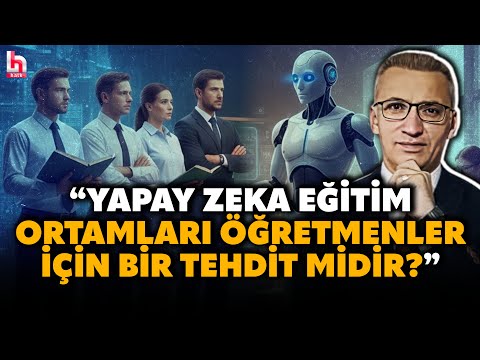
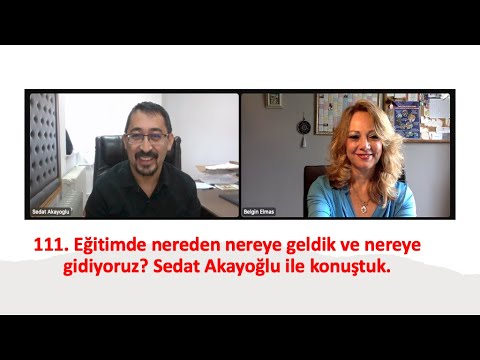
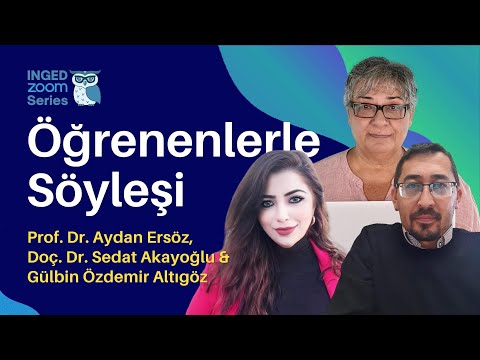
Media & Talks
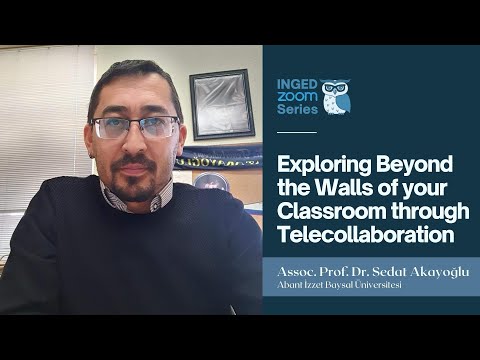
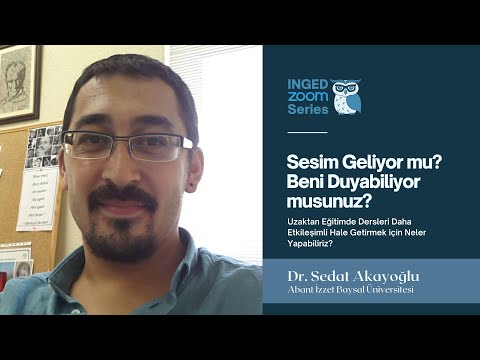
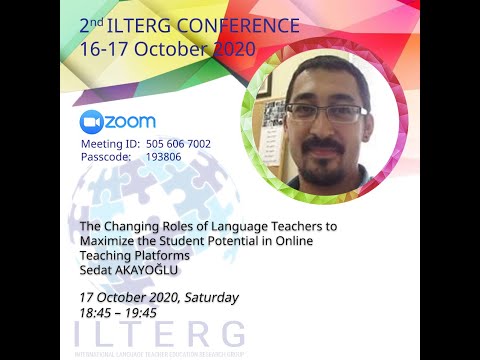
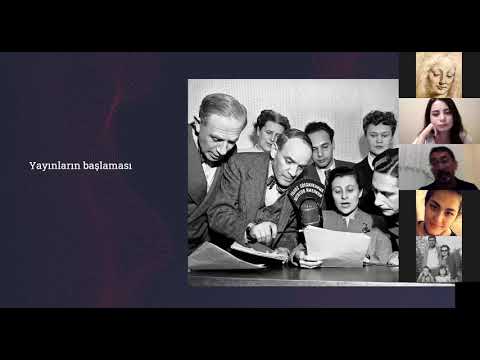
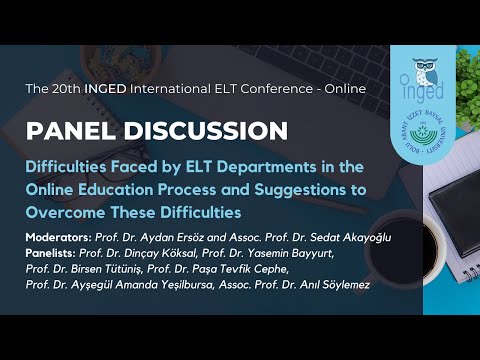
Beyond academic publication, I engage in public-facing scholarship through interviews, invited talks, webinars, and conference participation. These appearances extend conversations about language education, digital transformation, teacher professional development, and educational innovation to broader audiences—including practitioners, educational leaders, and the wider teaching community. This page documents recent media engagement and public speaking.
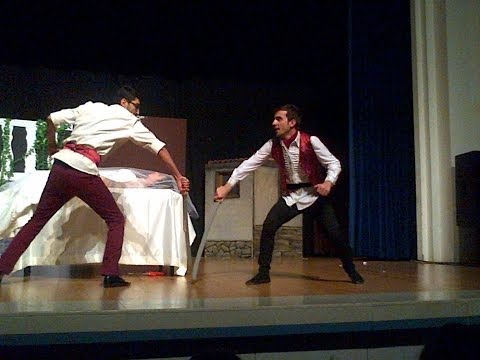
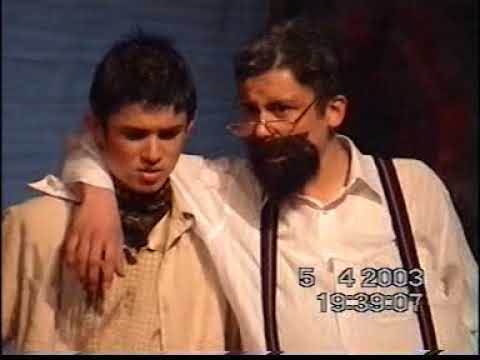
Drama Performances Directed
Alongside my scholarly work, I have directed theatrical productions in English and adapted classics—including Shakespeare, Dickens, and Molière—as part of my educational philosophy. These performances reflect my conviction that language learning extends beyond grammar and communication skills to include creative expression, embodied performance, and the emotional dimensions of learning. Drama creates space for authentic language use, character development, identity exploration, and collaborative learning—dimensions often absent from traditional language instruction.




Get in Touch
Contact
I welcome professional inquiries regarding research collaboration, conference invitations, academic partnerships, educational initiatives, media engagement, and scholarly exchange. Whether you're a researcher exploring telecollaboration, an educator interested in digital pedagogy, or an organization pursuing educational innovation, I look forward to connecting. Typically, I respond to inquiries within 5–7 working days.
Primary Email
Institutional Position
Professor
Department of Foreign Language Education
Faculty of Education
Bolu Abant İzzet Baysal University
Bolu, Türkiye
Response Expectations
Typical response time: 5–7 working days
For urgent matters, please clearly indicate this in your subject line.
Research & Academic Profiles
Access my research, publications, and scholarly work through these academic platforms:
Research Interests & Collaboration
I am particularly interested in connecting with researchers, educators, and organizations working on:
- → Artificial intelligence literacy in education
- → Digital pedagogy in language teaching
- → Telecollaboration & virtual exchange design
- → Teacher professional development
- → Intercultural communication in online contexts
- → Educational equity & technology access
Conference Inquiries: Please include event details, audience profile, and proposed topic in your initial message.